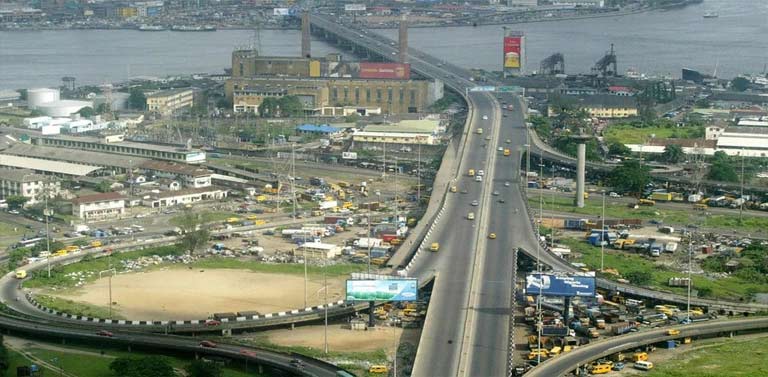
The Federal Government has unveiled an ambitious plan to demolish and reconstruct the iconic Carter Bridge in Lagos at an estimated cost of ₦548.98 billion, a move that underscores renewed commitment to upgrading critical infrastructure in Nigeria’s commercial capital.
The project, which is expected to significantly transform traffic flow and structural integrity along one of Lagos’ busiest transport corridors, is part of a broader strategy aimed at modernizing aging infrastructure and addressing long-standing urban mobility challenges. The Carter Bridge, a vital link connecting Lagos Island to the mainland, has for decades served as a major artery for commuters, businesses, and logistics operations, making its reconstruction a development of national importance.
Government officials indicated that the decision to demolish and rebuild the bridge followed comprehensive structural assessments that revealed the need for a full-scale overhaul rather than incremental repairs. The proposed reconstruction is expected to incorporate modern engineering standards, improved capacity, and enhanced safety features to accommodate the ever-growing volume of traffic within Lagos...READ THE FULL ARTICLE HERE .
From an economic standpoint, the scale of the investment reflects the strategic value placed on infrastructure as a driver of growth. Analysts note that efficient transportation networks are essential for reducing congestion costs, improving productivity, and facilitating trade within urban centers. Lagos, as Nigeria’s economic hub, has long struggled with traffic bottlenecks, and the redevelopment of key structures like Carter Bridge is seen as a critical step toward easing these pressures.
The announcement has, however, sparked conversations around funding, execution timelines, and the potential impact on commuters during the construction phase. With the bridge serving thousands of vehicles daily, any disruption is expected to have immediate ripple effects across the city’s already strained traffic system. Authorities are therefore expected to roll out detailed traffic management plans to mitigate the impact during the demolition and rebuilding process.
Experts in urban development have emphasized the importance of transparency, efficient project management, and adherence to timelines to ensure that the project delivers its intended benefits. Large-scale infrastructure projects in Nigeria have historically faced challenges related to delays and cost overruns, making effective oversight crucial in this case.
Beyond transportation, the reconstruction is also expected to contribute to broader urban renewal efforts within Lagos, potentially improving connectivity, boosting investor confidence, and enhancing the overall economic environment. Infrastructure upgrades of this magnitude often have multiplier effects, influencing real estate development, business expansion, and job creation.
As preparations for the project move forward, the focus will be on balancing the immediate inconvenience of construction with the long-term gains of a modernized bridge. For many residents and stakeholders, the initiative represents both a challenge and an opportunity, one that could redefine mobility and infrastructure standards in Nigeria’s busiest city if executed successfully.