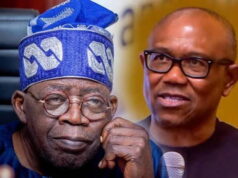
Fresh cracks have emerged within Nigeria’s opposition coalition as disagreements over zoning arrangements ahead of the 2027 general elections continue to deepen, with supporters of Peter Obi, popularly known as Obidients, insisting that the presidency must remain in the South.
The growing division comes amid ongoing efforts by opposition figures to form a united front capable of challenging the ruling party, but the issue of zoning—long regarded as a sensitive and strategic element in Nigerian politics—has once again proven to be a major stumbling block. The Obidient movement, which gained prominence during the 2023 elections, has taken a firm position that any credible coalition must respect the principle of regional balance by fielding a southern candidate.
According to sources within the movement, the demand is rooted in what they describe as fairness and political equity, especially considering that the current administration led by Bola Ahmed Tinubu is also from the South-West. They argue that maintaining the presidency in the South aligns with existing political expectations and helps sustain national cohesion by preventing perceptions of regional marginalisation...READ THE FULL ARTICLE HERE .
However, the position has not been universally accepted within the emerging coalition, as some northern stakeholders are reportedly pushing for an open contest that would allow aspirants from all regions to compete. This divergence has created tension within negotiation circles, with fears that unresolved zoning disagreements could weaken the coalition before it fully materialises.
Political analysts note that zoning has historically played a crucial role in Nigeria’s electoral dynamics, often serving as a tool for balancing power among the country’s diverse regions. When consensus is lacking, it can lead to fragmentation, reduced voter confidence, and internal rivalries that ultimately affect electoral performance.
The situation also highlights the broader challenge of building a cohesive opposition alliance in a politically complex environment. While there is shared interest among various groups to challenge the ruling party in 2027, aligning on key issues such as candidate selection, power rotation, and leadership structure remains a difficult task.
Supporters of the southern candidacy argument maintain that ignoring zoning principles could alienate a significant portion of the electorate, particularly those who view rotation as essential to maintaining national unity. On the other hand, advocates of an open contest argue that competence and electability should take precedence over regional considerations.
As discussions continue behind the scenes, the zoning dispute has become a defining issue that could determine the success or failure of the coalition-building process. Observers warn that if a compromise is not reached, the opposition risks entering the 2027 elections divided, which could ultimately weaken its chances against a more coordinated ruling party.
For now, the debate underscores the enduring complexity of Nigerian politics, where strategic alliances must constantly navigate the delicate balance between regional interests, political ambition, and the pursuit of national power.