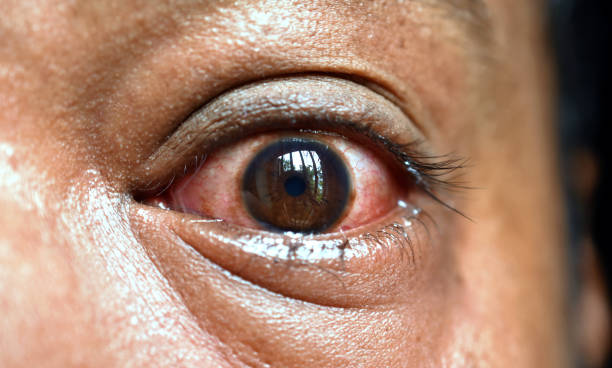
Red eyes are a common problem that can happen to almost anyone. Sometimes the redness is temporary and disappears after getting enough rest, while in other cases it can be a sign of an infection, allergy, irritation or another eye condition that requires medical attention.
The white part of the eye can appear red when the tiny blood vessels on its surface become enlarged or irritated. There are many possible causes, ranging from something as simple as tiredness or dry eyes to conditions that require prompt treatment.
What causes red eyes?..READ THE FULL ARTICLE HERE .
Several factors can make the eyes appear red, including:
1. Lack of sleep and tiredness
Not getting enough sleep can leave the eyes looking bloodshot, especially after prolonged periods of reading, working or staring at a screen.
Giving your eyes adequate rest and taking regular breaks from screens may help reduce discomfort.
2. Dry eyes
Dry eye occurs when the eyes do not have enough healthy tears to remain properly lubricated. It can cause redness, burning, stinging, irritation, watery eyes and a sensation that something is inside the eye.
Spending long periods looking at phones or computers can also contribute because people tend to blink less when concentrating on screens.
Other triggers can include smoke, wind, dry air, contact lenses and certain medicines.
3. Eye allergies
Allergies can cause red, itchy and watery eyes. Exposure to substances such as dust, pollen and other allergens can trigger inflammation around the eyes.
Allergic conjunctivitis commonly affects both eyes and may occur alongside sneezing or a runny nose. Unlike infectious conjunctivitis, allergic conjunctivitis is not contagious.
4. Conjunctivitis
Conjunctivitis, commonly called pink eye, occurs when the conjunctiva becomes inflamed or infected.
It can cause redness, itching, a gritty sensation, excessive tearing and discharge that may make the eyelashes stick together, particularly after sleeping. Viral and bacterial conjunctivitis can spread from person to person, while allergic conjunctivitis does not.
5. Contact lens problems
Wearing contact lenses for too long, using poorly cleaned lenses or continuing to wear lenses when the eyes are irritated can contribute to redness.
Contact lens users should take eye redness seriously, particularly when it is accompanied by pain or changes in vision, because some infections associated with contact lenses can threaten eyesight.
6. Irritation from smoke, dust or chemicals
Smoke, dust, cosmetics and other irritants can make the eyes red and watery.
If a chemical enters the eye, it should be flushed immediately with plenty of clean water. Chemical injuries can be serious and require urgent medical assessment, particularly when symptoms continue after rinsing.
7. A burst blood vessel
Sometimes a small blood vessel on the surface of the eye breaks, producing a bright red patch on the white part of the eye.
Although the appearance can be alarming, this is one of the recognised causes of a red eye. However, recurrent episodes or redness accompanied by other symptoms should be assessed by a healthcare professional.
8. Blepharitis
Blepharitis is inflammation around the eyelids and can cause red or irritated eyes. It may also produce crusting around the eyelashes and discomfort.
Keeping the eyelids clean can help some people manage symptoms, but persistent problems may require professional evaluation.
9. An injury or foreign object
A small particle, scratch or other injury can cause redness, watering and discomfort.
You should avoid rubbing the eye because this can potentially worsen an injury. If something has entered the eye, gently rinsing it with clean water may help, but an object that is embedded or has pierced the eye should not be removed at home.
10. Other eye conditions
Redness can occasionally be associated with more serious conditions, including corneal problems, inflammation inside the eye and glaucoma. This is why persistent or severe redness should not simply be treated as ordinary tiredness.
How can you reduce red eyes?
The appropriate treatment depends on the underlying cause. Some simple measures may provide relief when the redness is caused by mild irritation or dryness.
You can:
• Give your eyes adequate rest, particularly after prolonged screen use.
• Take regular breaks when using a phone, computer or television for long periods.
• Avoid rubbing your eyes, as rubbing can increase irritation.
• Keep your hands clean and avoid touching your eyes unnecessarily.
• Avoid smoke and other environmental irritants where possible.
• If your eyes are dry, lubricating artificial tears may provide relief.
• Avoid wearing contact lenses while your eyes are red or irritated until you have received appropriate advice.
• If allergies are responsible, reducing exposure to the trigger may help.
• A clean cool compress can provide soothing relief for some forms of eye irritation, including conjunctivitis.
Be careful with redness relieving eye drops
It can be tempting to buy eye drops specifically marketed to make red eyes look whiter. However, these should not automatically be considered the solution.
For dry eyes, lubricating artificial tears are generally more appropriate than repeatedly using drops designed simply to reduce redness. Prolonged use of some redness reducing drops can actually cause additional irritation.
It is therefore better to determine why the eyes are red rather than simply trying to hide the redness.
When should you see a doctor?
Most mild cases of red eye are not serious and may improve within a few days. However, certain symptoms require prompt medical attention.
Seek urgent medical care if red eyes are accompanied by:
• Severe eye pain
• Blurred, reduced or otherwise changed vision
• Significant sensitivity to light
• A severe headache accompanied by nausea
• A very dark or intensely red eye
• An eye injury
• A chemical entering the eye
• Something becoming stuck in the eye
• Different sized pupils
Contact lens wearers should also seek urgent professional advice when they develop a red eye, particularly if there is pain or visual disturbance.
The bottom line
Red eyes can result from something as simple as tiredness, dryness or exposure to smoke, but they can also be caused by infections, allergies, injuries and other eye conditions.
The best way to get rid of persistent redness is to identify and address the underlying cause rather than relying on quick fixes. Avoid rubbing your eyes, take proper care of contact lenses, practise good eye hygiene and seek professional medical attention when redness is severe, persistent or accompanied by pain or changes in vision.
Your eyes may be small, but they are extremely important. Persistent changes in their appearance or function should never be ignored.