Nigeria has moved a significant step closer to establishing state police after the Senate passed President Bola Tinubu’s State Police Bill, a landmark proposal that could fundamentally reshape the country’s security architecture and redefine how law enforcement is managed across the federation.
The bill, which seeks to amend the Constitution, would create a dual policing system that allows individual states to establish and operate their own police services while retaining the existing Federal Police Service to handle national security responsibilities such as terrorism, organised crime, cybercrime, border security and other offences that extend beyond state boundaries.
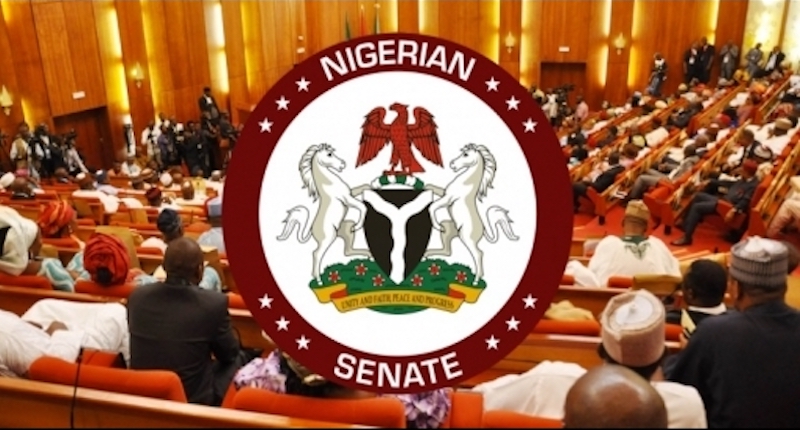
The Senate considered and adopted all 26 clauses of the proposed legislation during a lengthy plenary session, marking one of the most significant constitutional reforms since Nigeria’s return to democratic rule in 1999. Senate Leader Opeyemi Bamidele described the proposal as a major response to the country’s worsening security challenges, arguing that the current centralised policing structure has become overstretched by terrorism, banditry, kidnappings, communal conflicts and organised criminal activities. ..READ THE FULL ARTICLE HERE .
President Bola Ahmed Tinubu had earlier transmitted the constitutional amendment bill to lawmakers as part of his administration’s broader security reform agenda. The proposal aims to bring policing closer to local communities by giving states greater authority to respond quickly to security threats within their jurisdictions.
Under the proposed arrangement, governors would gain more influence over policing within their states, although supporters insist safeguards have been included to prevent abuse. According to lawmakers, state police forces would be prohibited from being used for partisan, ethnic, religious or personal purposes, while governors would be barred from deploying security agencies unlawfully against political opponents, groups or individuals.
The debate surrounding state police has long divided political leaders and security experts. Advocates argue that governors are currently held responsible for security situations in their states without possessing operational control over police formations. They believe decentralisation would improve intelligence gathering, strengthen community engagement and enable faster emergency responses.
However, critics remain cautious, warning that state-controlled police forces could become instruments of political intimidation if adequate oversight mechanisms are not enforced. Concerns have also been raised about funding disparities, with fears that poorer states may struggle to sustain professional and effective police institutions.
Despite these concerns, momentum behind the reform has grown amid rising insecurity across the country. Persistent incidents of kidnappings, insurgent attacks, banditry and violent communal clashes have intensified calls for a security system that is more responsive to local realities.
Although the Senate’s approval represents a major breakthrough, the legislative journey is not yet complete. Because the proposal involves constitutional amendments, it must still secure the endorsement of at least two thirds of Nigeria’s 36 state Houses of Assembly before it can be transmitted for final presidential assent. This means the next and perhaps most decisive political battle will now shift to the states, where lawmakers will determine whether Nigeria ultimately embraces one of the most consequential security reforms in its democratic history.