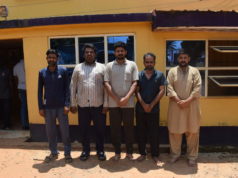
Fresh concerns have emerged over the deteriorating security situation in Zamfara State following the abduction of no fewer than 50 community elders who were reportedly on a reconciliation mission aimed at fostering peace between troubled communities and armed groups operating in the state. The incident has sent shockwaves across the region, raising serious questions about the safety of citizens and the effectiveness of ongoing efforts to restore peace in one of Nigeria’s most troubled states.
According to reports, the elders were travelling as part of a peace and reconciliation initiative when they were intercepted by heavily armed bandits. The victims were said to be carrying out a mission intended to promote dialogue and understanding among communities affected by years of violence, kidnappings, and attacks. However, the journey ended in tragedy when the armed men surrounded and forcefully took them away into the forest.
Sources familiar with the incident revealed that the elders were respected figures drawn from various communities and were participating in efforts designed to reduce tensions and encourage peaceful coexistence in areas that have suffered repeated attacks by criminal gangs. Their abduction has not only disrupted the reconciliation process but has also deepened fears among residents who had hoped that peace initiatives would help bring an end to the cycle of violence...READ THE FULL ARTICLE HERE .
Witnesses reportedly described scenes of panic as the attackers arrived in large numbers and overwhelmed the area. Residents and travellers who learned of the attack were unable to intervene due to the superior firepower of the gunmen, who successfully whisked the victims away before security forces could respond. The incident is being viewed as one of the most significant mass abductions recorded in the state in recent weeks.
The kidnapping comes at a time when Zamfara and several other states in the North-West continue to battle persistent security challenges linked to banditry, mass abductions, cattle rustling, and attacks on rural communities. Despite repeated military operations and security interventions, armed groups continue to exploit remote areas and forests to launch attacks and evade capture. Recent reports have indicated a resurgence of mass kidnappings across parts of the region, with communities increasingly becoming targets of organized criminal groups.
Residents expressed disappointment and frustration over the latest development, particularly because the victims were reportedly involved in efforts aimed at promoting peace rather than engaging in any form of confrontation. Many believe the attack sends a troubling message about the growing boldness of criminal groups and the difficulties facing reconciliation efforts in conflict-prone areas.
Community leaders and concerned stakeholders have called on security agencies to intensify rescue operations and ensure the safe return of the abducted elders. They have also urged the government to strengthen security presence in vulnerable communities and provide greater protection for individuals involved in peace-building initiatives. According to observers, the success of reconciliation efforts depends largely on the ability of authorities to guarantee the safety of those participating in dialogue and conflict-resolution processes.
The latest incident has further highlighted the complex security realities facing Zamfara State. For years, communities across the state have endured repeated attacks that have resulted in loss of lives, displacement of residents, destruction of livelihoods, and the payment of huge ransoms to secure the freedom of kidnapped victims. The persistent insecurity has negatively affected farming activities, local commerce, education, and social life, leaving many communities trapped in fear and uncertainty.
Security analysts argue that while military operations remain necessary, long-term peace can only be achieved through a combination of effective security measures, intelligence gathering, community engagement, economic opportunities, and sustainable conflict-resolution strategies. However, incidents such as the abduction of the elders underscore the challenges confronting such efforts and demonstrate how criminal groups continue to undermine peace initiatives through violence and intimidation.
As of the latest reports, efforts are ongoing to locate the abducted elders and secure their release. Families of the victims, community members, and residents across the state remain anxiously awaiting positive news, while calls continue to mount for decisive action against the armed groups responsible for the attack.
The mass abduction has once again drawn national attention to the security crisis in Nigeria’s North-West, where communities continue to grapple with the devastating effects of banditry. For many residents of Zamfara, the kidnapping of individuals who were on a mission to promote reconciliation represents a painful setback and a reminder that achieving lasting peace in the region remains a difficult and urgent challenge.