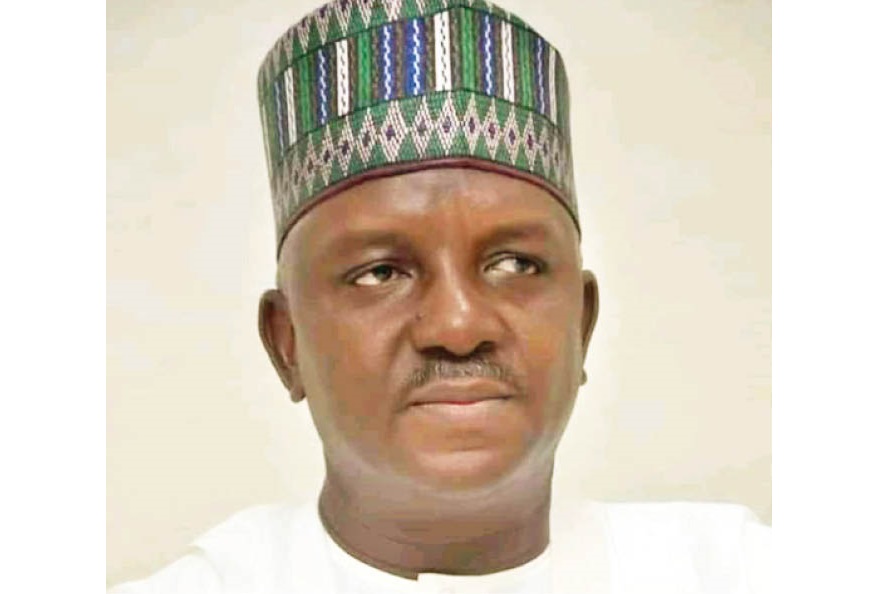
The conviction of former Minister of Power, Saleh Mamman, over an alleged N33.8 billion fraud has once again placed the troubled Mambilla Hydroelectric Power Project at the center of national debate, reigniting concerns over corruption, political interference, and decades of failed promises in Nigeria’s electricity sector. What was once envisioned as a transformational energy project capable of changing the country’s power fortunes has now become another symbol of how mismanagement and scandals continue to cripple critical national infrastructure.
A Federal High Court sitting in Abuja found the former minister guilty on multiple counts bordering on money laundering and diversion of public funds during his tenure under the administration of former President Muhammadu Buhari. Prosecutors from the Economic and Financial Crimes Commission argued that billions of naira meant for official government activities within the Ministry of Power were illegally moved through private accounts, proxies, and shell companies. The court’s ruling has been described by legal and political observers as one of the most significant corruption convictions involving a former cabinet minister in recent years.
Although the conviction directly concerns financial crimes, public attention has quickly shifted to the Mambilla Hydroelectric Power Project because of its long history of controversy, abandoned contracts, legal disputes, and allegations of corruption involving several officials connected to Nigeria’s power sector. The project, located in Taraba State, has remained trapped in uncertainty for more than four decades despite repeated government assurances and billions of naira committed to planning, negotiations, and contractual processes. ..READ THE FULL ARTICLE HERE .
The Mambilla project was designed to become Nigeria’s largest hydroelectric power station, with the potential to generate more than 3,000 megawatts of electricity. Experts have repeatedly argued that if completed successfully, the project could significantly reduce the country’s electricity shortages, improve industrial productivity, boost economic growth, and lessen dependence on expensive diesel generators that millions of Nigerians rely on daily. However, years after the project was first conceived, construction progress remains painfully slow, while the country continues to battle unstable power supply and recurring national grid collapses.
Analysts believe the latest conviction has revived broader questions about how public funds allocated to major infrastructure projects are managed in Nigeria. Many Nigerians are now asking whether corruption within the Ministry of Power and other government institutions contributed to the repeated delays and legal complications that have haunted the Mambilla project over the years. Anti corruption advocates argue that the scandal demonstrates how deeply financial misconduct can damage national development, especially in sectors as important as electricity and energy infrastructure.
The project itself has suffered from a long list of setbacks that extend beyond allegations of fraud. There have been disputes over contract awards, disagreements with foreign investors and contractors, international arbitration battles, and political changes that repeatedly disrupted continuity. One of the biggest controversies involved former Minister of Power and Steel, Olu Agunloye, who was accused by the EFCC of irregularities surrounding the award of the original Mambilla contract years ago. Investigators alleged that due process was not properly followed during the contract approval stage, further complicating the already troubled history of the project.
Despite several groundbreaking ceremonies and announcements by successive administrations, physical progress on the site has remained limited compared to public expectations. The federal government had previously secured financing arrangements involving Chinese partners and international lenders, with hopes that the project would finally move beyond paperwork into full construction. Yet the continued emergence of scandals and legal disputes has repeatedly slowed momentum and weakened investor confidence.
For many Nigerians, the conviction of Saleh Mamman represents more than just another corruption case. It has become a painful reminder of how systemic abuse of public office continues to affect ordinary citizens. Businesses across the country spend enormous amounts on fuel and alternative power sources because of unreliable electricity, while households struggle daily with blackouts that affect education, healthcare, communication, and economic survival. Critics argue that every case of corruption within the power sector directly translates into hardship for millions of Nigerians who continue to wait for stable electricity decades after promises were first made.
Public reactions following the conviction have been intense across social media and political circles. While many citizens praised the judiciary and the EFCC for securing the conviction, others questioned whether enough has been done to investigate the wider network of officials, contractors, and political actors linked to controversial power sector transactions over the years. Some analysts also insist that accountability should not stop at convictions alone, but must include stronger reforms to prevent future abuse of public funds.
Energy experts warn that unless transparency, policy consistency, and institutional accountability improve, Nigeria may continue spending billions on projects that never reach completion. They argue that the Mambilla project still has the potential to transform the nation’s electricity sector if handled with seriousness, professionalism, and strict oversight. However, they also caution that public trust in the project has been severely damaged by years of scandals, missed deadlines, and political controversies.
The renewed attention surrounding the Mambilla project is now expected to place fresh pressure on the federal government to provide clear updates on the project’s current status, financing structure, contractor arrangements, and realistic completion timelines. For millions of Nigerians frustrated by decades of unstable power supply, the latest conviction has reopened an uncomfortable national conversation about whether the country’s biggest electricity dreams are being undermined not by lack of resources, but by corruption and failed leadership.