The Federal Government has defended its decision to remove the Federal Capital Territory Administration from the Treasury Single Account, insisting that the move has significantly accelerated infrastructure development across Abuja while strengthening key institutions in the nation’s justice sector.
President Bola Tinubu, speaking through the Secretary to the Government of the Federation, George Akume, said the exemption was a deliberate policy aimed at giving the FCTA greater financial flexibility to execute critical projects without the bureaucratic bottlenecks associated with the Treasury Single Account system.
According to the President, many Nigerians initially questioned the decision to exempt the FCTA from the TSA, but the remarkable transformation witnessed across the Federal Capital Territory has vindicated the administration’s position. He maintained that allowing the FCTA quicker access to funds has improved project delivery and enabled the government to respond more effectively to the developmental needs of the nation’s capital...READ THE FULL ARTICLE HERE .
Tinubu made the remarks during the commissioning of a new office annex for the Body of Benchers and ten units of four-bedroom staff quarters for the Nigerian Law School in Bwari, Abuja. He stressed that the administration’s focus extends beyond road construction to strengthening institutions that uphold democracy, justice and the rule of law.
The President also dismissed allegations that the Federal Government’s investments in judicial infrastructure amount to executive interference in the affairs of the judiciary. He argued that providing modern facilities for the legal profession is a constitutional responsibility of the executive and is essential for improving the administration of justice.
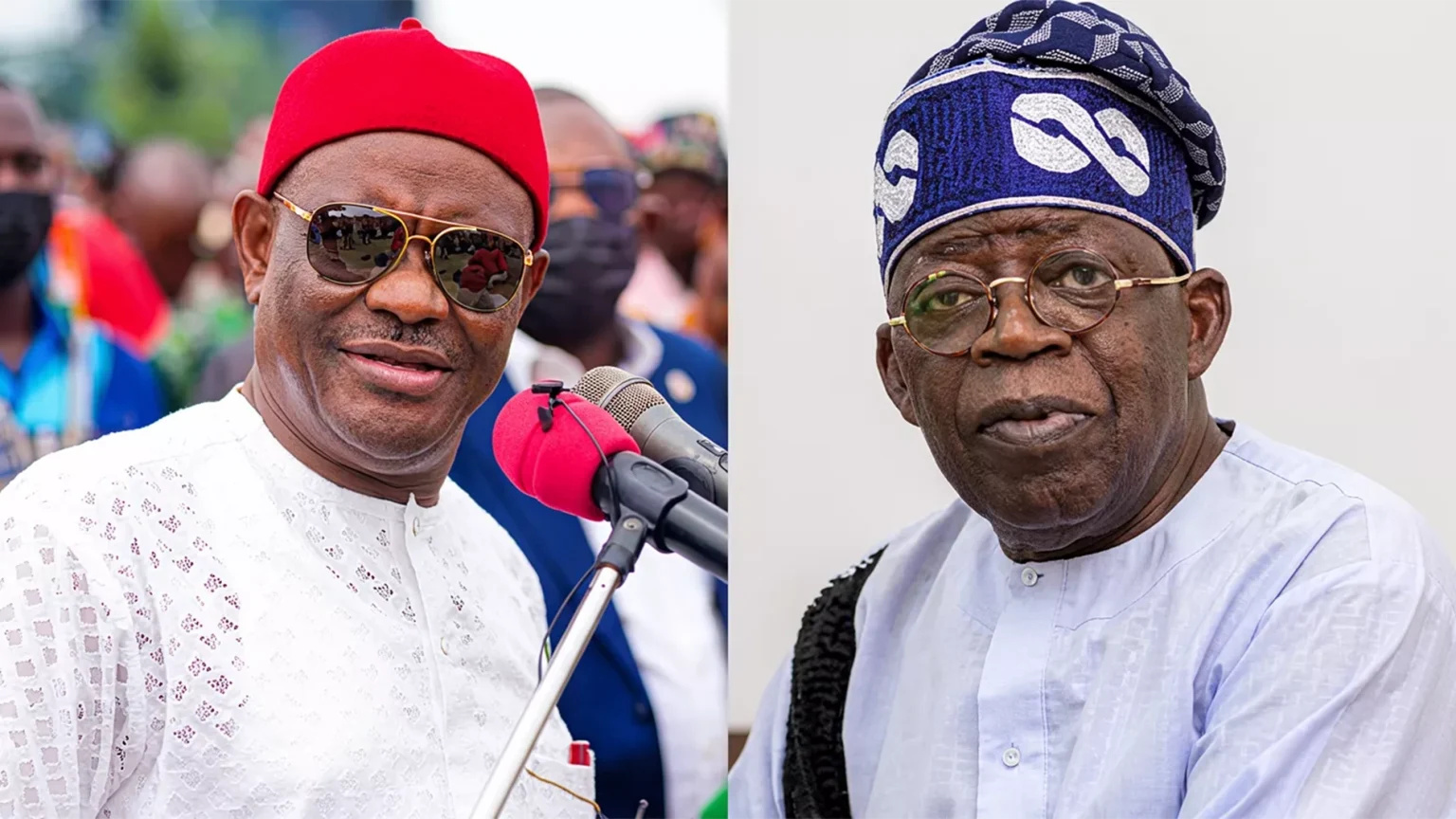
Tinubu praised the Minister of the Federal Capital Territory, Nyesom Wike, for translating the administration’s vision into visible results through extensive infrastructure projects and institutional reforms. He noted that Wike had not only driven urban renewal across Abuja but also resolved the long-standing land documentation issues affecting the Nigerian Law School by facilitating the issuance of its Certificate of Occupancy after years of delay.
Reaffirming his administration’s commitment to institutional development, the President disclosed that the Federal Government is funding additional projects within the Nigerian Law School, including a new auditorium, more student hostels and the digitisation of academic and administrative operations. Similar investments, he added, are ongoing across the justice sector, including the construction of courts and residential quarters for judicial officers.
Tinubu maintained that his government remains committed to delivering tangible results through sustained investment in critical national infrastructure, insisting that strong institutions remain the foundation of a thriving democracy.