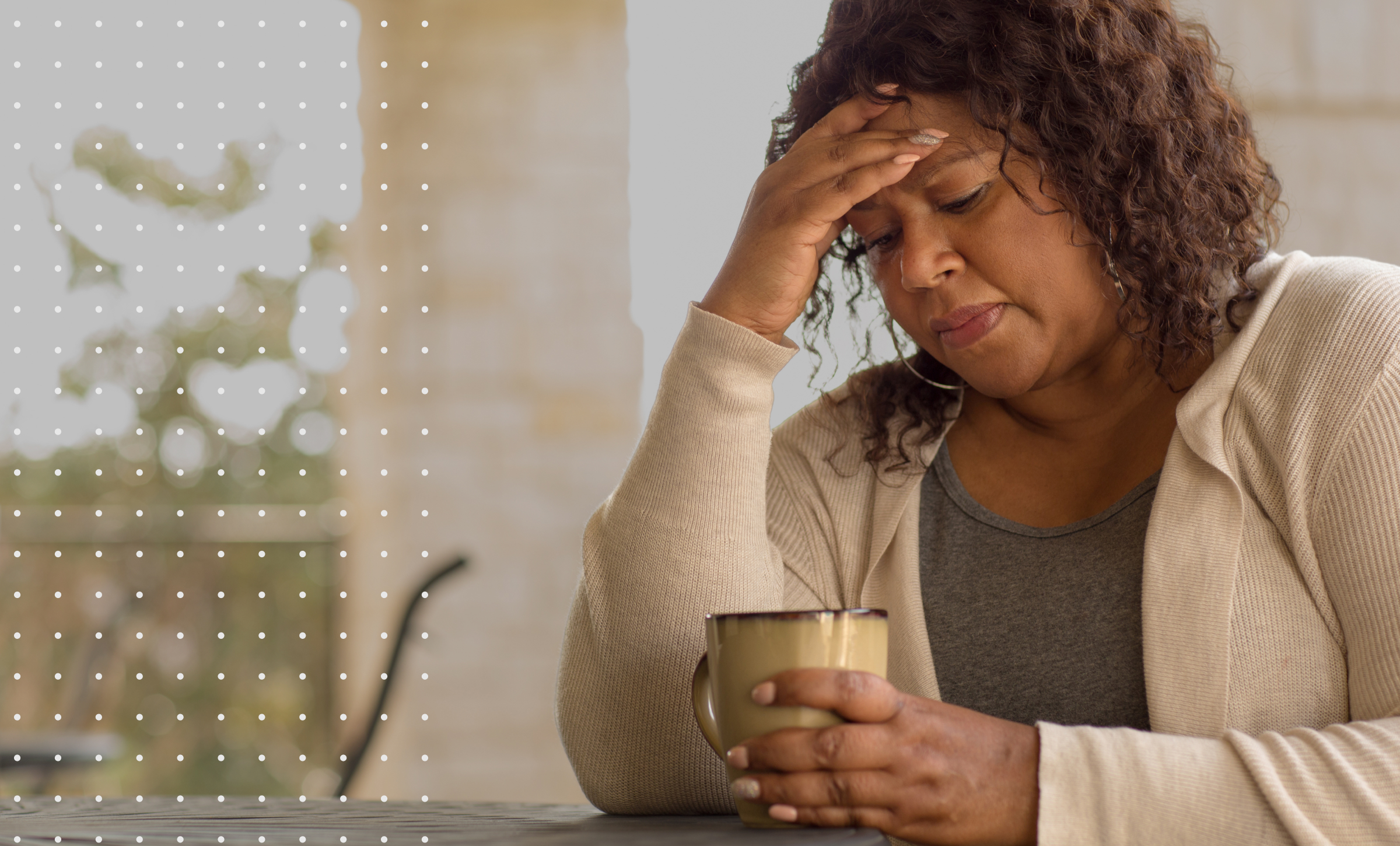
Millions of women experience hormonal changes as they grow older, yet many remain confused about the difference between perimenopause and menopause. Although the terms are often used interchangeably, medical experts explain that they represent two different stages of a woman’s reproductive transition.
According to Healthline, understanding these stages can help women better recognise symptoms, make informed healthcare decisions and prepare for the physical and emotional changes that accompany this natural phase of life.
What Is Perimenopause?..READ THE FULL ARTICLE HERE .
Perimenopause is the transitional period leading up to menopause. During this phase, the ovaries gradually begin producing less estrogen, causing hormonal fluctuations throughout the body.
Perimenopause usually begins in a woman’s 40s, but some women may experience it in their mid-30s. This stage can last anywhere from a few years to more than a decade, depending on individual circumstances.
Unlike menopause, perimenopause is characterised by irregular hormonal changes, which often make symptoms unpredictable.
What Is Menopause?
Menopause officially occurs when a woman has gone 12 consecutive months without a menstrual period, provided there is no other underlying medical cause.
At this stage, the ovaries have largely stopped releasing eggs, and estrogen production significantly declines. Menopause marks the end of a woman’s natural reproductive years.
The average age of menopause is around 51 years, though it may occur earlier or later for some women.
Common Symptoms Of Perimenopause
Hormonal fluctuations during perimenopause can produce a wide range of symptoms.
Some of the most common include:
- Irregular menstrual cycles
- Hot flashes
- Night sweats
- Mood swings
- Anxiety and irritability
- Sleep disturbances
- Brain fog and memory issues
- Fatigue
- Reduced sex drive
- Vaginal dryness
The intensity and frequency of symptoms vary from person to person.
Symptoms That May Continue During Menopause
While some symptoms improve once menopause begins, others may persist.
These include:
- Hot flashes
- Night sweats
- Sleep problems
- Vaginal dryness
- Reduced libido
- Emotional changes
Many women find that symptoms become less unpredictable compared to perimenopause because hormone fluctuations begin to stabilise.
Why Estrogen Matters
Estrogen plays an essential role in many bodily functions beyond reproduction.
As estrogen levels decline, several health concerns may become more prominent.
These include:
- Increased risk of osteoporosis
- Greater vulnerability to cardiovascular disease
- Changes in metabolism
- Alterations in body composition
- Joint discomfort
This is why maintaining overall health becomes increasingly important during this stage of life.
How To Manage The Transition
Experts recommend adopting healthy lifestyle habits to ease symptoms and protect long-term health.
Helpful strategies include:
- Eating a balanced diet rich in calcium and vitamin D
- Exercising regularly
- Prioritising quality sleep
- Managing stress effectively
- Maintaining a healthy weight
- Avoiding smoking
- Limiting alcohol consumption
Small, consistent lifestyle changes can make a significant difference over time.
Treatment Options Available
Women experiencing severe symptoms have several treatment options available.
Doctors may recommend:
- Hormone replacement therapy (HRT)
- Non-hormonal medications
- Vaginal estrogen treatments
- Cognitive behavioural therapy
- Lifestyle modifications
Medical professionals advise discussing individual risks and benefits before starting any treatment.
The Biggest Misconception About Menopause
One of the most common misunderstandings is believing that menopause begins as soon as symptoms appear.
In reality, many symptoms start years earlier during perimenopause. This is why recognising the distinction between both stages is so important.
Understanding what the body is experiencing can help women avoid unnecessary anxiety and seek appropriate support when needed.
A Natural Transition, Not A Disease
Health experts emphasise that neither perimenopause nor menopause should be viewed as illnesses. They are natural biological milestones that every woman experiences differently.
Greater awareness and education are helping to remove the stigma surrounding these life stages and encouraging women to openly discuss their experiences.
With proper medical guidance, healthy habits and adequate support systems, women can navigate both perimenopause and menopause confidently while maintaining a healthy and fulfilling quality of life.