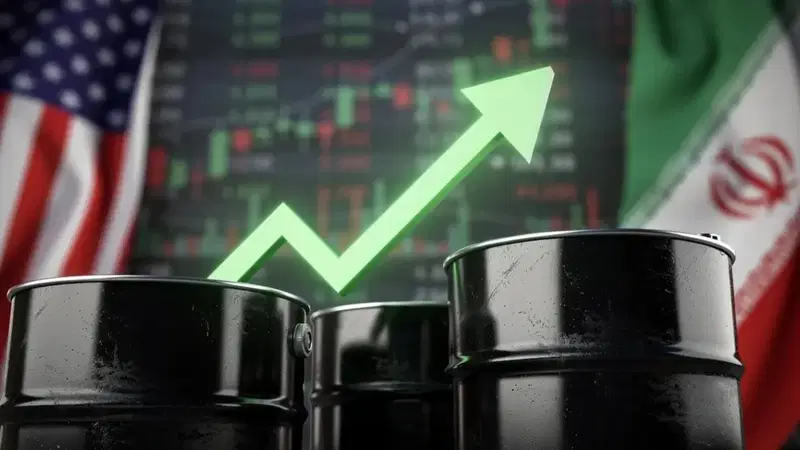
Global oil markets were thrown into fresh uncertainty after Iran reportedly suspended ongoing peace negotiations, triggering a sharp rise in crude oil prices and raising fears of a wider economic impact across international markets. The development comes amid escalating tensions in the Middle East, a region that remains central to global energy supplies and the stability of international trade routes.
Reports indicate that investors reacted swiftly to news of the diplomatic breakdown, with Brent crude and West Texas Intermediate recording significant gains as concerns grew over potential disruptions to oil exports from the region. The renewed uncertainty has revived fears surrounding the Strait of Hormuz, one of the world’s most important oil shipping channels, through which a substantial portion of global crude supplies passes daily. Analysts warn that any threat to the waterway could send energy prices even higher in the coming days.
Financial markets also felt the impact, with investors moving cautiously amid concerns that prolonged tensions could fuel inflation and slow economic growth. Rising oil prices often translate into higher transportation and production costs, which can eventually affect the prices consumers pay for goods and services. Economists are already monitoring the situation closely, as central banks around the world continue efforts to manage inflationary pressures. ..READ THE FULL ARTICLE HERE .
The latest development follows weeks of fragile diplomatic efforts aimed at reducing hostilities and restoring stability in the region. However, Iran’s decision to suspend talks has cast doubt on hopes for a quick resolution. Market observers believe that the uncertainty surrounding negotiations is likely to keep energy markets volatile, particularly if military tensions escalate further or if there are new threats to oil infrastructure and shipping routes.
Energy experts have warned that continued disruptions could push crude prices closer to the $100-per-barrel mark or beyond, a scenario that would have major consequences for both developed and emerging economies. Countries heavily dependent on imported fuel could face increased economic pressure, while consumers may experience higher fuel and transportation costs.
With diplomatic efforts now facing a major setback, global attention remains fixed on the Middle East as governments, investors and energy markets await the next move from both Iran and its international counterparts. For now, the suspension of peace talks has added a fresh layer of uncertainty to an already fragile global economic landscape.