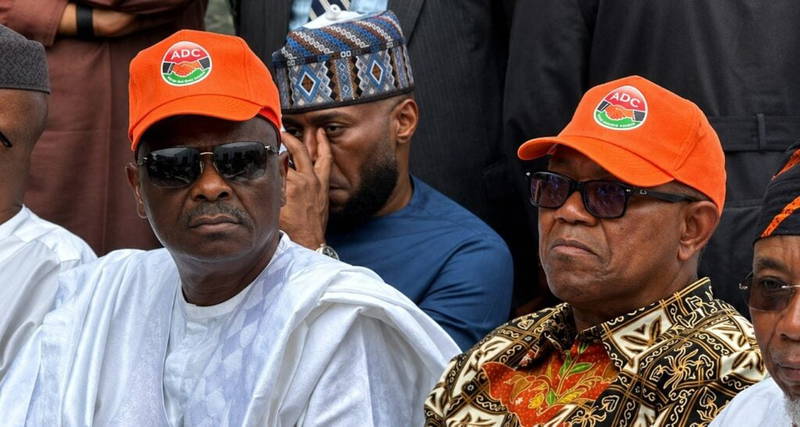
Nigeria’s political landscape is beginning to take shape ahead of the 2027 general elections as supporters of Peter Obi and Rabiu Musa Kwankwaso gathered in Abuja for a high level unity summit that has sparked fresh conversations about possible alliances, defections, and a broader opposition coalition.
The summit brought together prominent loyalists, political stakeholders, and grassroots mobilisers from both camps, all united by a shared objective of exploring collaboration ahead of the next electoral cycle. Participants at the meeting reportedly emphasized the urgency of building a stronger, more coordinated political front capable of challenging existing power structures and offering Nigerians an alternative vision for governance.
Discussions at the gathering were said to focus on areas of common interest, including economic reform, governance transparency, youth inclusion, and national unity. Speakers highlighted the need for opposition forces to move beyond fragmented efforts and work toward a unified strategy that can effectively compete on a national scale. The tone of the summit reflected both cautious optimism and strategic intent, as attendees acknowledged the complexities involved in forging lasting political alliances...READ THE FULL ARTICLE HERE .
Although no formal agreement or merger was announced at the end of the meeting, the event has fueled growing speculation about potential defections and deeper collaboration between political movements associated with both leaders. Observers note that such early engagements are often the foundation upon which broader coalitions are built, especially in a political environment where alliances can significantly influence electoral outcomes.
The timing of the summit is particularly significant, coming amid increasing conversations about realignment within Nigeria’s political space. With both Obi and Kwankwaso having demonstrated strong electoral appeal in previous contests, particularly among young voters and urban populations, any potential alliance between their camps could reshape voter dynamics and introduce a new level of competition into the race.
Political analysts have pointed out that while the idea of unity is appealing, the path to achieving it is often complicated by issues such as leadership structure, ideological differences, regional interests, and power sharing arrangements. These factors have historically posed challenges to coalition building in Nigeria, and many believe that the success of any alliance will depend on the ability of all parties involved to negotiate effectively and make strategic compromises.
Supporters at the summit, however, appeared hopeful, expressing confidence that collaboration is not only possible but necessary in order to address the country’s pressing challenges. Many stressed that Nigerians are increasingly looking for leadership that prioritizes competence, accountability, and inclusiveness, and that a united political front could better respond to these expectations.
As reactions continue to trail the development, the Abuja summit is being widely seen as an early but significant step in what could become a broader political movement ahead of 2027. Whether these discussions will evolve into a formal coalition or remain exploratory engagements remains to be seen, but one thing is clear, the race toward the next general elections has quietly begun, and the battle lines are gradually being drawn.